Does Perfume Expire? How to Tell a Bottle Has Gone Bad and Store the Rest
Perfume is a chemical mixture of fragrance compounds whose stability depends on its formulation and storage conditions. Oxygen can cause certain molecules to oxidize, and heat accelerates some chemical reactions. Changes often become noticeable in the scent profile first, particularly in fragrances containing oxidation-sensitive citrus ingredients.
Yes, perfume expires. Most opened fragrances can maintain their quality for approximately three to five years, although their actual shelf life depends on the formula and storage conditions. A sour or metallic smell, significant darkening, or unusual sediment may indicate deterioration. Consistent temperatures and protection from direct sunlight help preserve the fragrance’s original characteristics.
When assessing an older perfume, I pay particular attention to the difference between the date printed on its packaging and the condition of the product. The date provides a useful reference, but changes in fragrance compounds depend on their chemical stability.
What Happens to Perfume Over Time?
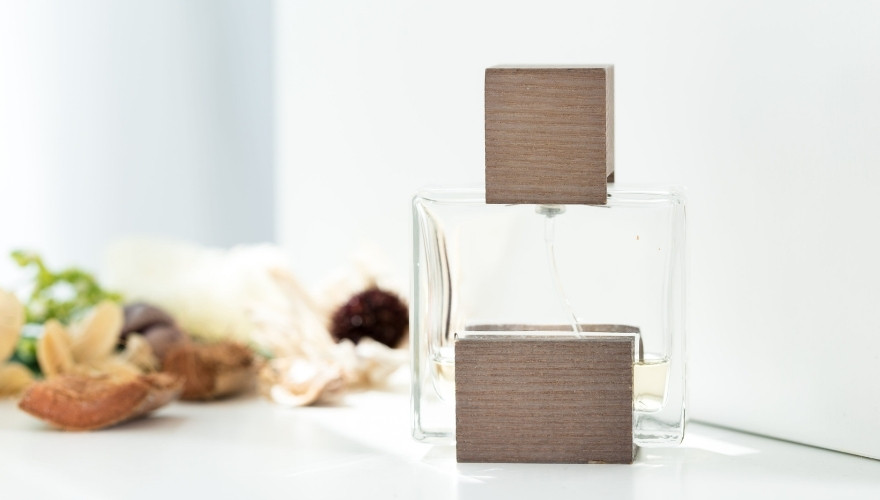
Most alcohol-based perfumes contain fragrance ingredients dissolved in ethanol. During storage, certain molecules can react with oxygen and form oxidation products with different odor characteristics.
Zacharoula, a fragrance expert at Molton Brown, connects changes in perfume quality to oxidation and temperature fluctuations in the company’s guide to fragrance shelf life. The composition of the fragrance also affects how quickly changes develop.
Citrus notes often contain compounds that are particularly sensitive to oxidation. Certain woody compositions can retain their characteristic scent for longer. Alcohol contributes to formula stability, so its concentration can influence how well a perfume keeps.
Zena Hasan, director of research and development at Molton Brown, estimates that most opened fragrances last approximately three to five years. Unopened bottles may remain in good condition considerably longer under suitable storage conditions.
How Can You Tell if Your Perfume Has Expired?
A noticeable change in scent is often the clearest early indication that a perfume has deteriorated. A fragrance that once had fresh citrus notes may develop pronounced acidity or an unusual metallic character.
Amandine Pallez, senior creative director at Bvlgari Parfums, describes the effects of oxidation in an interview with Byrdie. Along with sour or metallic notes, an aging fragrance may develop an odor reminiscent of plastic.
Perfumer Pia Long draws particular attention to top notes, where changes can become noticeable early. Cosmetic chemist Ginger King explains that some fragrances may darken from pale yellow to a deeper brown.
Look for the following signs:
1
2
3
A color change alone is insufficient evidence that a perfume has become unusable. Some formulas naturally change shade over time. An unpleasant smell accompanied by visible changes provides a stronger reason to stop using the product.
What Does the Date on a Perfume Box Actually Mean?
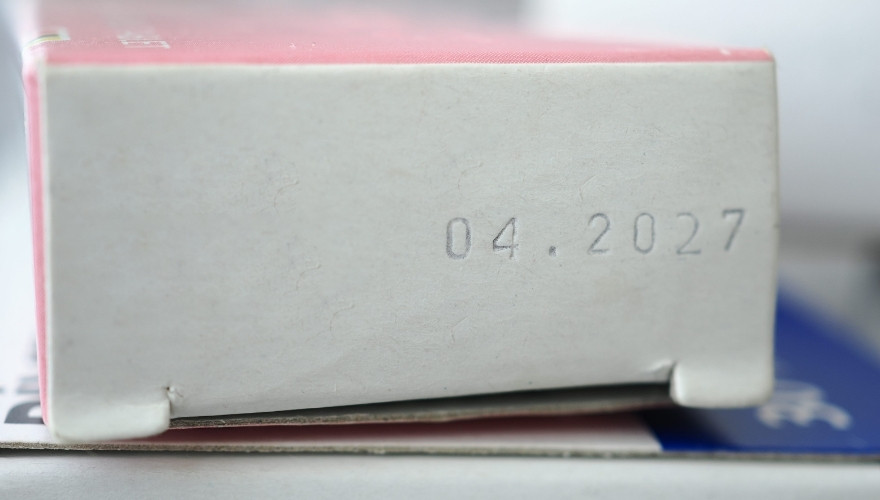
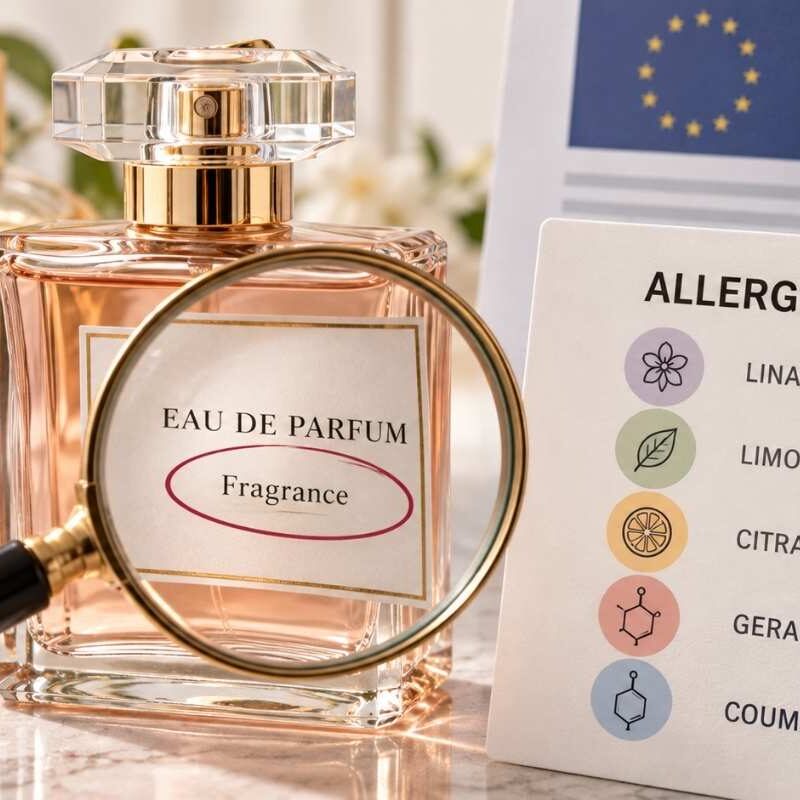
American regulations generally do not require cosmetic manufacturers to print expiration dates on product packaging. Under the FDA’s shelf-life guidance, manufacturers remain responsible for product safety and for determining an appropriate shelf life.
The European Union has different requirements. EU Regulation 1223/2009 requires a minimum durability date for cosmetic products whose minimum durability does not exceed 30 months.
Products with a longer minimum durability generally require a period-after-opening indication when that information is relevant.
An open-jar symbol marked 24M indicates that the manufacturer specifies a 24-month period of safe use after the product is opened.
An Example Using October 14, 2026
Consider a perfume opened on October 14, 2024, with a 24M symbol. Its indicated period after opening ends on October 14, 2026.
If October 14, 2026, appears as the printed minimum durability date, the meaning is different. The date refers to the period during which the manufacturer expects the product to retain its specified properties under appropriate storage conditions.
A batch number provides additional information for identifying the production lot. It is not automatically an expiration date unless the manufacturer uses a defined date-coding system.
The distinction is useful when purchasing older stock or checking fragrances that have remained in a collection for several years.
Your Bathroom Can Shorten a Perfume’s Shelf Life
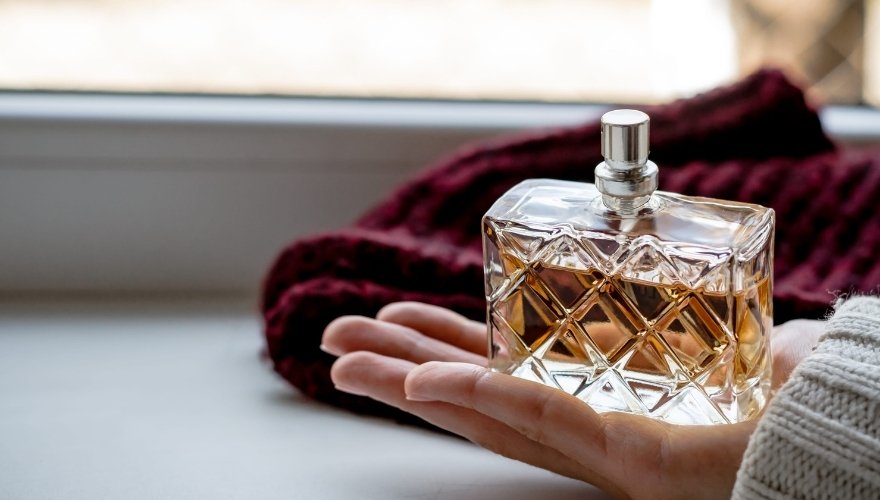
Temperature fluctuations during showers can affect the stability of certain fragrance compounds. Molton Brown’s experts explain that bathroom temperatures may rise from approximately 77°F to more than 95°F during a shower.
Repeated exposure to heat can accelerate some chemical reactions. Direct sunlight presents another risk to the stability of sensitive fragrance components.
For most perfumes, I would recommend a closed bedroom cabinet away from windows and heat sources. The original cardboard box provides additional protection against light.
A refrigerator may be suitable in particularly hot climates when temperatures remain consistent. In most homes, a cool, dry cabinet is sufficient.
Keep perfume in its original bottle whenever possible. Frequent transfers into smaller atomizers increase the liquid’s exposure to air and may contribute to changes in composition.
Is Expired Perfume Safe to Wear?
The safety of an older perfume depends on its ingredients and the changes that occurred during storage. Certain oxidation products can cause irritation or allergic contact reactions in susceptible individuals.
Cosmetic chemist Ginger King warns that degraded fragrance compounds may cause unwanted reactions after direct skin contact.
If a perfume has a distinctly unpleasant smell or unusual appearance, discontinue use. People with diagnosed contact allergies should take particular care.
In its cosmetic safety guidance, the FDA recommends stopping use after an unexpected skin reaction and contacting a healthcare professional.
Applying a small amount of old perfume to the skin cannot guarantee protection against a delayed allergic reaction. Products with clear signs of deterioration should not be tested in that manner.
You can learn more about perfume shelf life, signs of deterioration, and proper storage in this YouTube video, which explores how fragrances can change over time.
In the end!
For a larger fragrance collection, recording the month and year each bottle was first opened is useful. A simple note on the bottom of the box makes it easier to track product age without relying on memory.
Keep regularly used perfumes in a location with a consistent temperature. Check their scent and appearance occasionally, particularly after several years of use.
For bottles intended for long-term storage, protection from heat and light is particularly important. Suitable storage conditions can slow the chemical changes that affect fragrance quality.
Perfume can retain a pleasant scent for years when stored properly. Once clear signs of deterioration appear, discontinuing use is the most sensible choice. The packaging date helps establish the product’s age, and its scent and appearance provide additional information about its condition.