Does Makeup Expire? How Long Mascara, Lipstick and Foundation Really Last
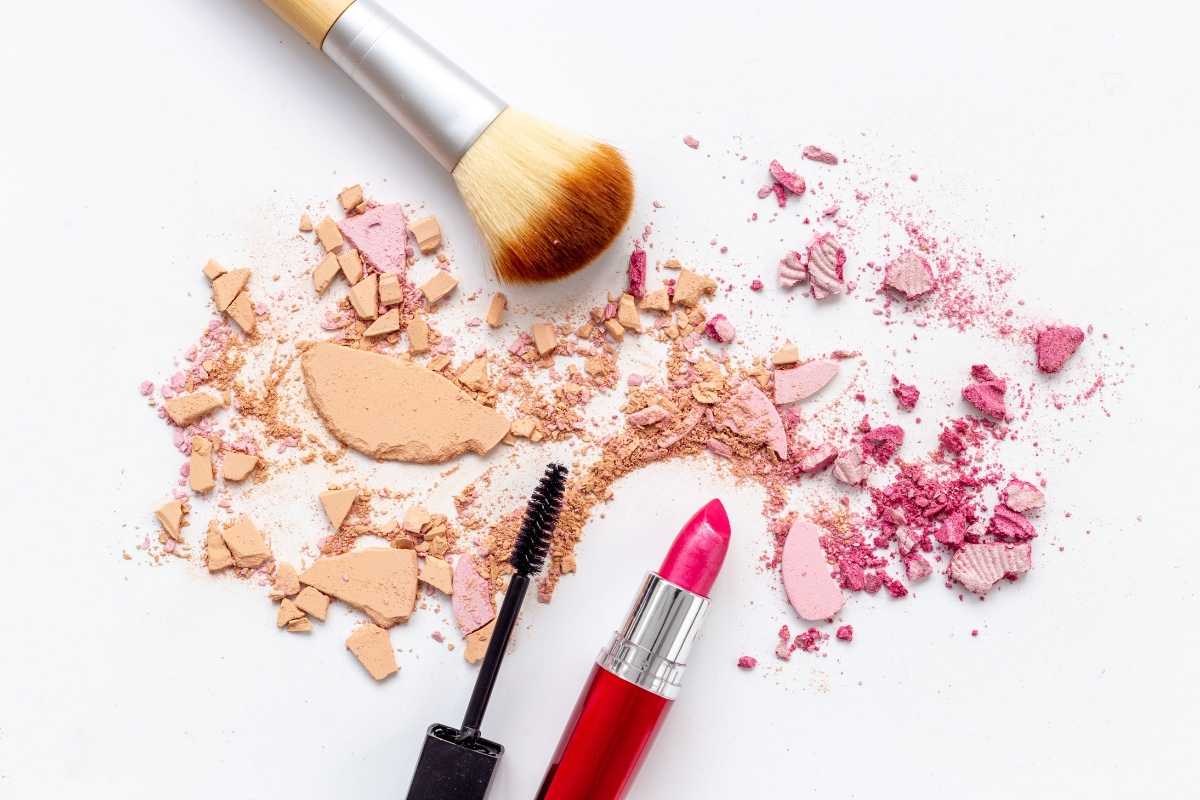
Mascara purchased six months ago, lipstick reserved for special occasions, or a foundation bottle that’s still half full. Most makeup bags contain at least one product whose age is difficult to remember. The problem begins when you can no longer tell how long it’s been open.
Yes, makeup expires. Mascara is best replaced after three months, liquid foundation often lasts around six months, and lipstick may last longer depending on its formula and the manufacturer’s recommendations. Storage conditions and application habits also affect shelf life. Contamination can make a product unsafe before its recommended replacement date.
The FDA does not require expiration dates on most cosmetics sold in the United States. Knowing the approximate shelf life of common makeup products and recognizing signs of deterioration is therefore useful.
Mascara Has the Shortest Shelf Life for a Reason
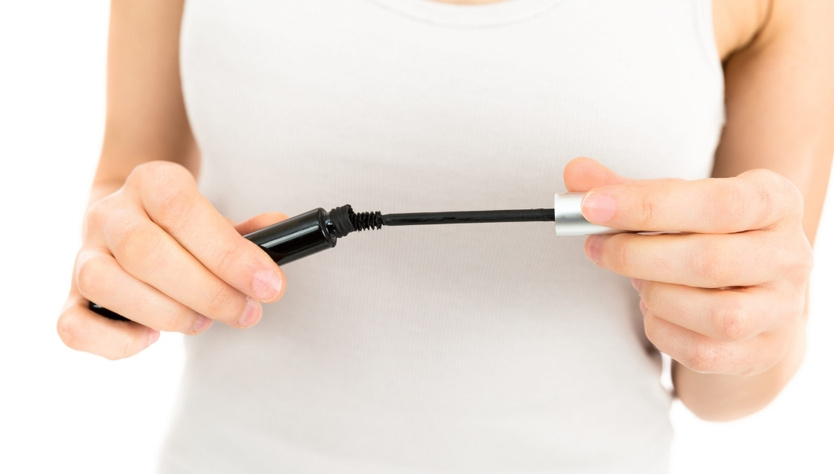
Every time you remove a mascara wand, it comes into contact with your eyelashes. Returning the applicator to the tube can introduce microorganisms from the skin and eye area.
According to the FDA’s cosmetic shelf-life guidance, manufacturers frequently recommend replacing mascara after two to four months. The American Academy of Dermatology recommends three months as a reasonable interval for most users.
The concern is contamination. The eye area is particularly sensitive, and old mascara may contribute to eye infections.
If your mascara has dried out, replace it. Adding water can introduce microorganisms and dilute the preservatives.
An important exception applies after an eye infection. Discard eye makeup used during the infection, even if you purchased it recently.
Liquid Foundation and Powder Have Different Shelf Lives
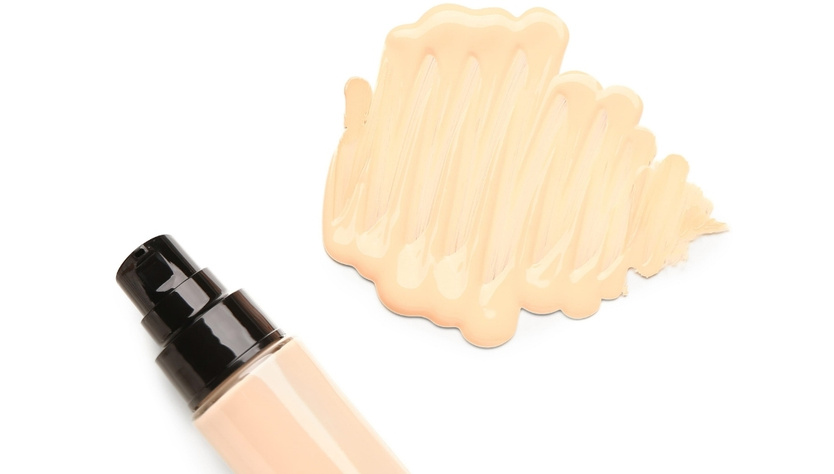
Liquid foundation often contains an emulsion, a combination of water-based and oil-based ingredients. Over time, the consistency may change, and the preservative system can become less effective.
Dermatologist Shilpi Khetarpal of Cleveland Clinic recommends replacing liquid foundation after approximately six months in the clinic’s guide to makeup expiration. Powder foundation may last approximately one to two years.
The difference is partly related to formulation. Products with less available water generally provide less favorable conditions for microbial growth, although no cosmetic product is entirely protected against contamination.
Packaging matters, too. A pump bottle generally involves less direct finger contact than an open jar.
A Foundation Bottle Opened in January
Consider a liquid foundation opened in January 2026. You use it several times a week, and the packaging has no period-after-opening symbol.
By July, six months have passed. Check the manufacturer’s recommendations and examine the product’s condition. If the formula separates or develops an unpleasant odor, replace it regardless of how much remains.
A product marked 12M has a different manufacturer-specified period after opening. Consider that information alongside storage conditions and application hygiene.
Lipstick May Last Longer, but the Applicator Matters
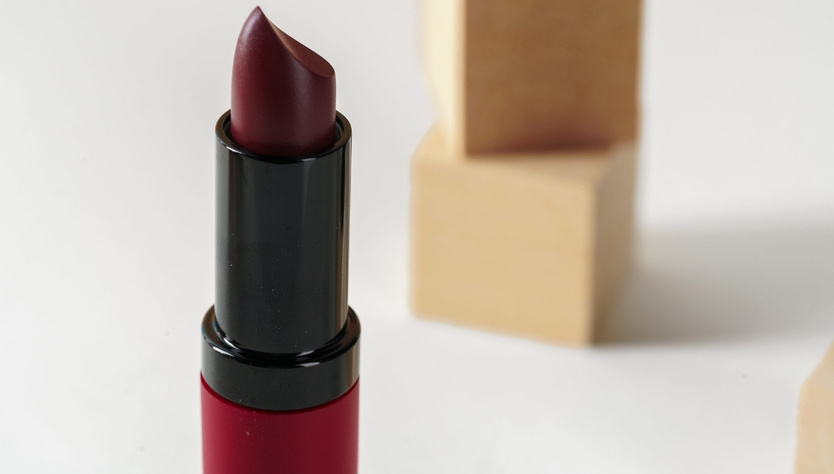
Traditional bullet lipsticks often contain waxes and oils. Their composition differs from liquid lip products, which have their own formulation and stability requirements.
During application, lipstick touches the lips before returning to its packaging. Liquid lip products introduce additional opportunities for contamination through their applicators.
Cleveland Clinic recommends replacing lip products after approximately six months, although some manufacturers specify longer periods for traditional bullet lipsticks.
The label on your particular product is therefore important.
If you’ve had a cold sore, replace any lipstick or lip gloss used during the outbreak. Continuing to use those products introduces an unnecessary contamination risk.
The Numbers on Your Makeup Packaging
Some cosmetics feature an open-jar symbol marked 6M, 12M, or 24M. The number indicates how many months the manufacturer specifies for use after the product is first opened.
Under EU Regulation 1223/2009, cosmetics with a minimum durability exceeding 30 months generally require a period-after-opening indication when relevant.
Products with shorter minimum durability periods must display an appropriate minimum durability date.
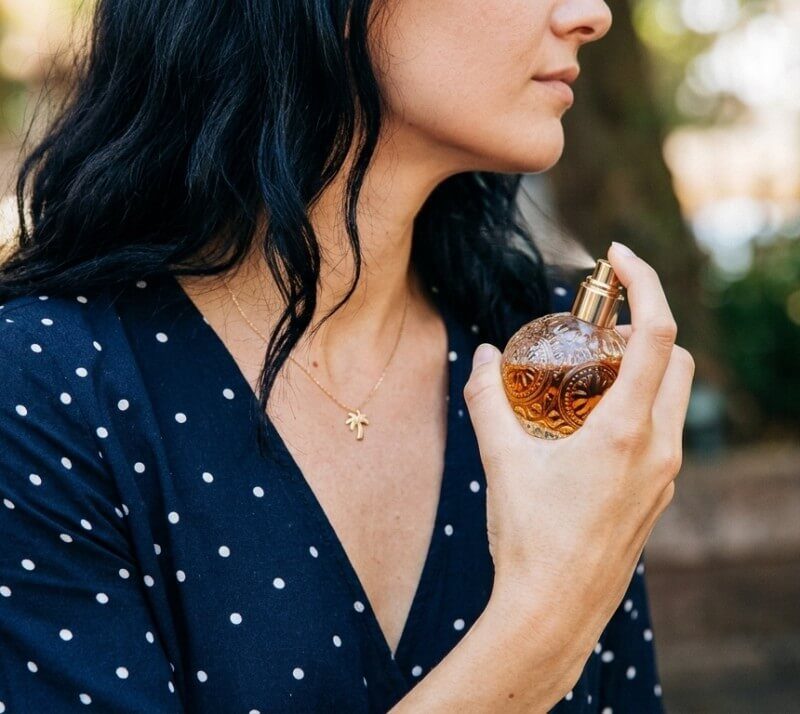
Similar shelf-life considerations apply to other beauty products, including perfume and its storage conditions.
Replacement Times for the Rest of Your Makeup
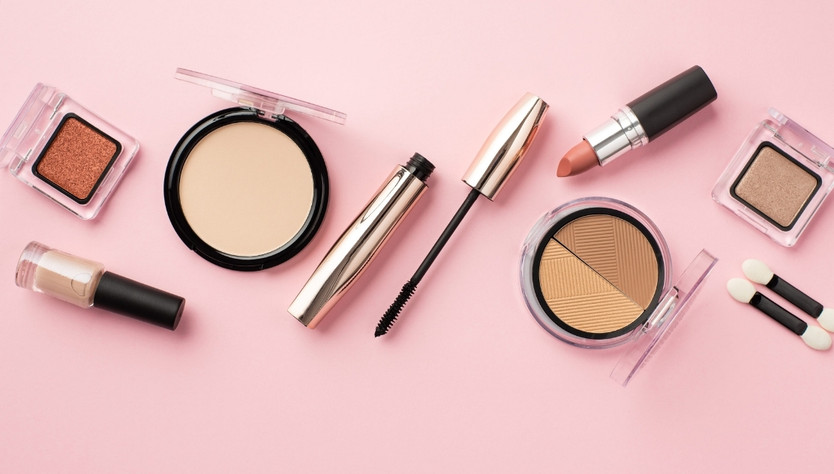
Shelf life varies by manufacturer. The following estimates provide general guidance for makeup products whose application methods can affect hygiene.
| Product | Approximate shelf life | Reason to replace sooner |
| Mascara | 3 months | Eye infection or dried-out formula |
| Liquid eyeliner | About 6 months | Thickened texture or irritation |
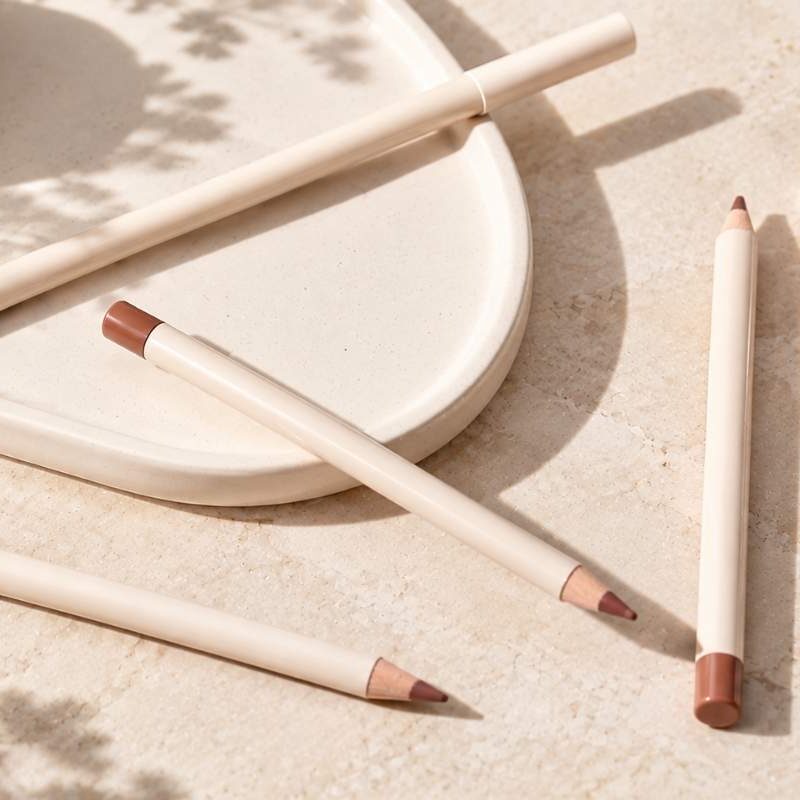
| Eyeliner pencil | 1–2 years | Texture changes or contamination |
| Powder foundation | 1–2 years | Unusual odor or formula deterioration |
| Liquid foundation | About 6 months | Ingredient separation |
| Lipstick and lip gloss | About 6 months | Cold sore exposure or unusual odor |
Table: Approximate replacement intervals and reasons for earlier disposal. Source: American Academy of Dermatology.
The intervals are general recommendations. If the manufacturer specifies a shorter period or the product shows signs of deterioration, replace it sooner.
Dirty Brushes and Sponges Can Shorten Makeup’s Usable Life
Unclean applicators transfer product residue and microorganisms between your skin and cosmetics. The condition of your tools therefore affects the hygiene of your entire makeup routine.
A few habits can help protect your products:
- Wash makeup brushes approximately once a week and allow them to dry completely.
- Clean makeup sponges after every use.
- Close product containers securely and keep cosmetics away from heat.
Bathrooms with frequent temperature changes and high humidity may be unsuitable for long-term makeup storage.
Wondering whether your makeup is still safe to use? This video offers a quick visual reminder of why checking expiration dates and replacing old cosmetics matters.
A Quick Makeup Check Can Reduce Unnecessary Risks
Our editorial recommendation is to write the month you first opened a product on the bottom of its packaging. The date makes it easier to assess the age of cosmetics you use occasionally.
Pay particular attention to mascara and liquid makeup that comes into direct contact with your skin. Replace products immediately if their texture changes or they develop an unpleasant odor.
The amount left in a container is not a reliable measure of safety. Proper storage and adherence to manufacturer recommendations help you use makeup within its intended shelf life, without unnecessary risks to your skin or eyes.