How to Make Perfume Last Longer, Starting With Where You Spray It
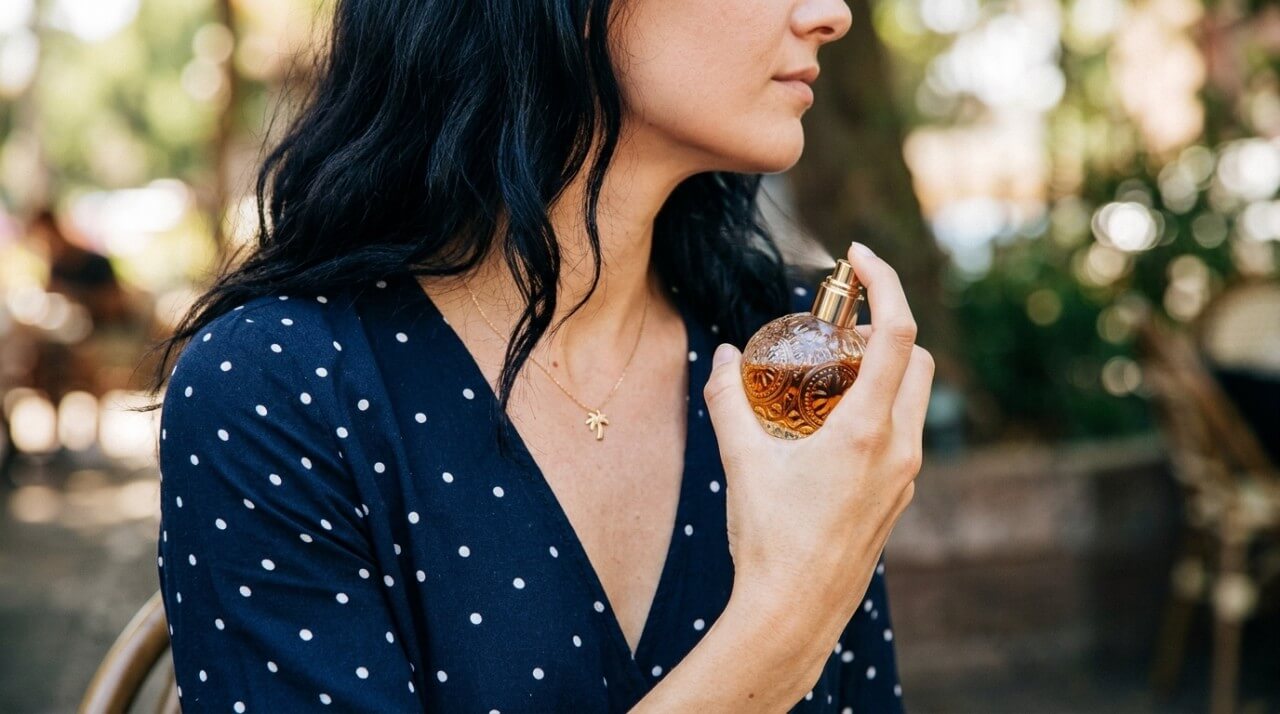
You apply your favorite perfume before leaving for work, but by lunchtime, you can barely smell it. The reason may be where you applied it or the fragrance’s composition. A few changes to your daily routine can help the scent remain noticeable for longer.
The simplest approach to how to make perfume last longer is to apply it to moisturized skin, particularly your neck or the inside of your elbows. Your wrists are another good option if you don’t wash them frequently throughout the day. Apply an unscented moisturizer first, then allow the fragrance to dry naturally.
Another factor is how long the scent remains on your skin. After several hours, you may stop noticing your perfume because your sense of smell has adapted to it, even though people nearby can still detect it.
Your Neck and Inner Elbows Are Good Places to Start
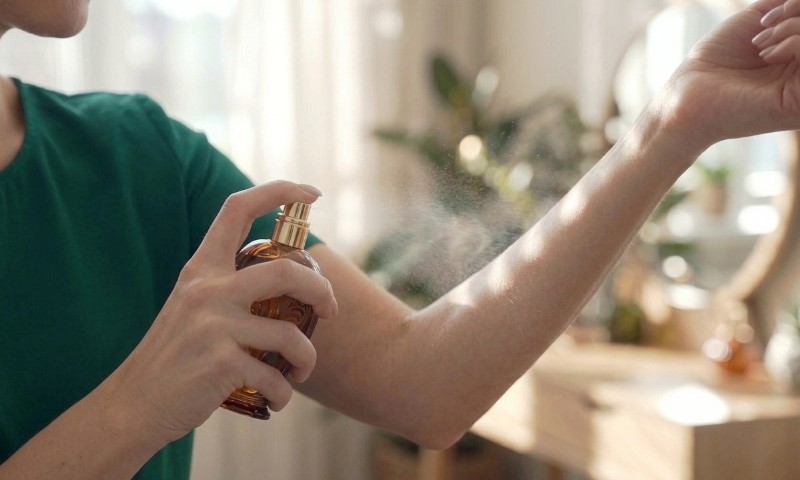
Areas where blood vessels sit closer to the skin’s surface tend to be warmer. Heat encourages fragrance molecules to evaporate and disperse into the surrounding air.
Perfumer Sylvaine Delacourte, who spent 15 years as director of fragrance development at Guerlain, recommends the lower neck and inner elbows as suitable application points.
For everyday use, start with one spray near the base of your neck. Apply another to the inside of your elbow, adjusting the amount according to the fragrance’s intensity.
Your Wrists Aren’t Always the Best Choice
Wrists are convenient places to apply perfume, but they frequently come into contact with soap during handwashing. Frequent washing can remove some of the fragrance.
For anyone interested in how to make perfume last longer during a busy workday, the inner elbows may be a better choice. They generally have less direct contact with water.
Avoid rubbing your wrists together after application. Friction can alter how the liquid spreads across your skin and accelerate the evaporation of some lighter fragrance components. Allow the perfume to dry on its own.
The Back of Your Neck Deserves Attention, Too
The back of the neck can be particularly suitable for people with longer hair. As you move, fragrance may gradually disperse into the surrounding air.
Behind the knees is another option, especially during warmer months. Body heat can encourage fragrance evaporation, although the intensity depends on the formula and the clothes you wear.
The Jo Malone application guide includes pulse points and the backs of the knees among its recommended application areas.
For office environments, one or two sprays may be sufficient. Stronger fragrances can remain noticeable with smaller amounts.
Moisturizer Comes Before Perfume
Fragrance often seems to fade more quickly on dry skin. For people researching how to make perfume last longer, applying moisturizer before perfume is a useful technique, especially during winter.
Estée Lauder recommends moisturized skin as one way to help fragrance remain noticeable. An unscented cream allows the perfume’s original composition to develop without interference from another fragrance.
Apply moisturizer after showering and allow it to settle evenly into your skin before spraying your perfume.
A small amount of petroleum jelly on the intended application area may also help the skin retain moisture. However, reliable research has not established exactly how many additional hours such a method might provide.
Fabric May Hold Fragrance Longer Than Skin
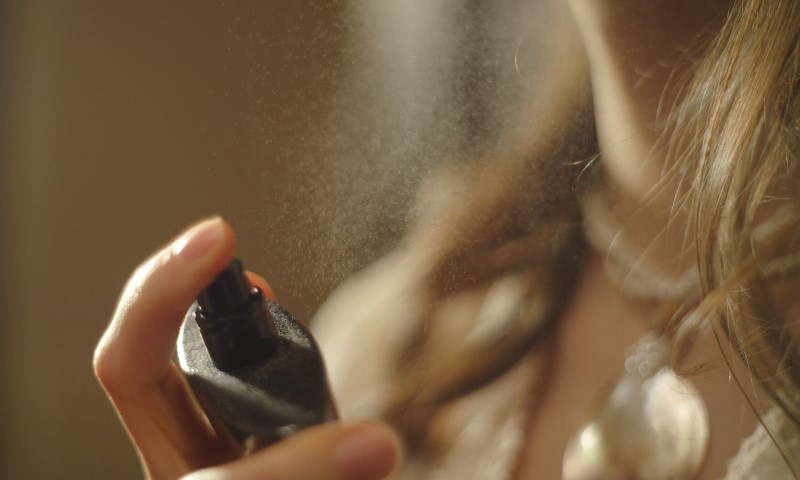
Fragrance compounds can remain on textile fibers longer than on skin. A scarf or cotton shirt may retain traces of perfume into the following day.
Fabric application is another consideration in how to make perfume last longer, although direct spraying can cause stains. Silk and light-colored materials deserve particular care.
Before applying perfume to clothing, test a small, hidden area. Avoid direct application to delicate fabrics.
Hair can also retain fragrance, but perfumes with a high alcohol content may contribute to dryness. A dedicated hair perfume is generally a better option for regular use.
Different fabrics also respond differently to alcohol and fragrance oils. The material matters if you plan to apply perfume to clothing regularly.
Fabric guide: Potential problems and safer application choices.
| Fabric | Potential issue | Recommendation |
| Cotton | Concentrated fragrance may leave marks on light-colored fabric. | Test a hidden area before application. |
| Silk | Alcohol and fragrance oils may cause stains or alter the fabric’s appearance. | Avoid spraying perfume directly onto silk. |
| Wool | Fibers may retain fragrance between wears, causing scents to linger. | Use sparingly if the garment’s care instructions permit it. |
| Cashmere | Delicate fibers and specialized care make stains difficult to remove. | Apply perfume to your skin before getting dressed. |
| Leather | Alcohol may affect the finish or color of leather. | Keep perfume away from leather garments and accessories. |
The distinction is especially useful during colder months. Coats and sweaters are often washed less frequently than everyday shirts, so leftover fragrance can become noticeable the next time you wear them.
Sometimes the Formula Determines the Result
Perfumes vary in the concentration and composition of their fragrance ingredients. Eau de Parfum often lasts longer than an Eau de Toilette version, although the result depends on the individual formula.
Perfumer Emmanuelle Moeglin explains in a Cosmopolitan interview that citrus notes generally evaporate faster, whereas certain woody ingredients can remain noticeable for longer.
If you’re choosing a perfume specifically for its longevity, test it on your skin and check the scent several hours later. The initial intensity is often a poor indicator of overall wear time.
Another consideration in how to make perfume last longer is the condition of older bottles. Check the expiration date and storage conditions, since heat and sunlight can accelerate changes in fragrance composition.
Better Placement Can Mean Fewer Sprays
Before reapplying perfume, ask someone nearby if they can still smell it at a normal conversational distance. Olfactory adaptation can create the impression that a fragrance has disappeared completely.
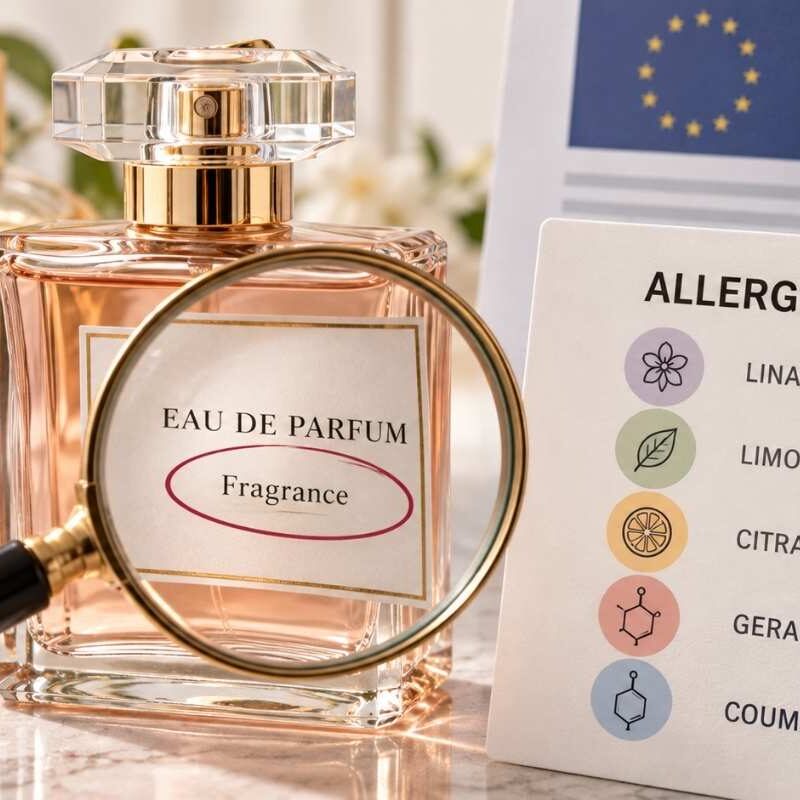
For anyone focused on how to make perfume last longer, skin safety also deserves attention. Avoid applying fragrance to damaged or inflamed skin. Certain fragrance ingredients can cause allergic skin reactions, particularly in people with known sensitivities.
Our recommendation is to identify two application points where your fragrance remains noticeable for the longest period. For many people, the neck and inner elbows are good places to begin. Moisturized skin may also help, and the perfume’s concentration contributes to its overall longevity.
Ultimately, a useful approach to how to make perfume last longer involves choosing application areas carefully and using an appropriate amount. More sprays increase fragrance consumption and initial intensity. Thoughtful placement can help maintain a pleasant scent throughout the day.