Does Sunscreen Expire? The Date on the Bottle Is Only Half the Answer
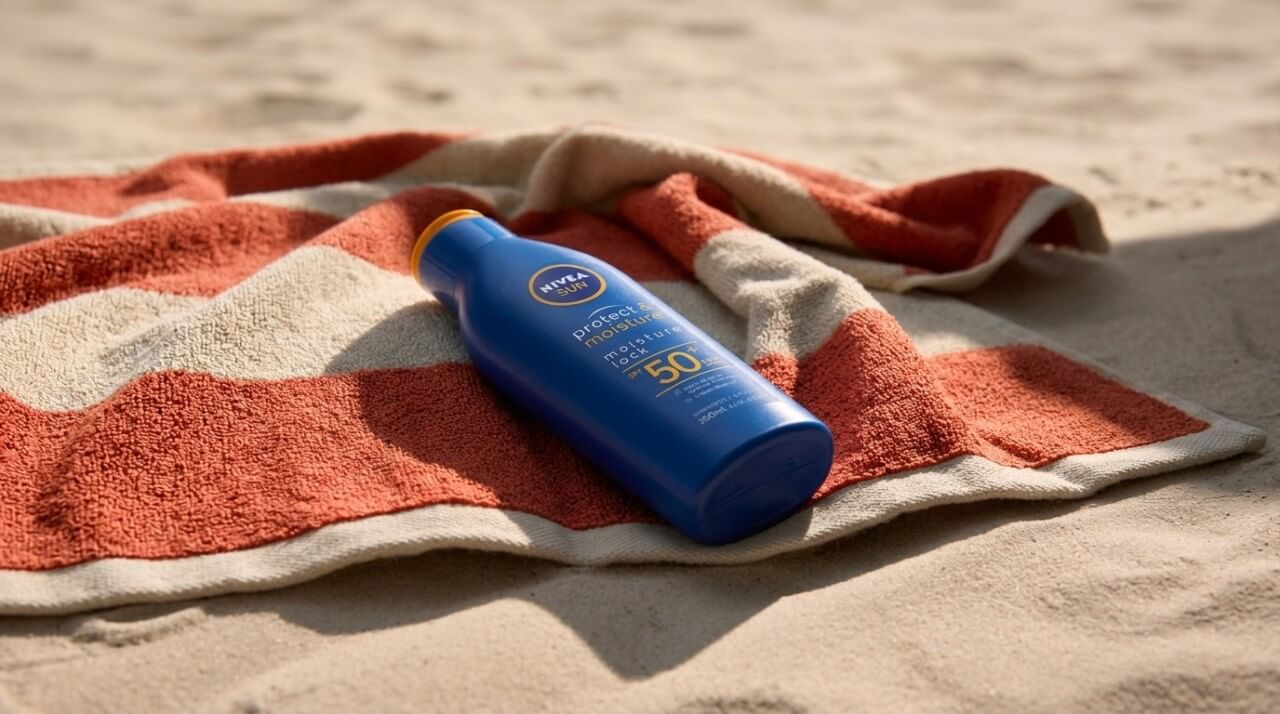
Sunscreen that spent an entire summer in a beach bag may lose some of its original properties before the expiration date printed on the bottle. High temperatures and direct sunlight can affect the stability of the formula.
The question does sunscreen expire has a straightforward answer: yes. In the United States, manufacturers generally must include an expiration date unless tests demonstrate that the product remains stable for at least three years. According to the FDA, sunscreen without a printed expiration date should be replaced three years after purchase. Changes in smell or texture may justify replacing it sooner.
The date on the bottle is only part of the picture. Storage conditions and ingredient stability also affect the reliability of SPF protection.
Three Years Isn’t a Guarantee for Every Bottle
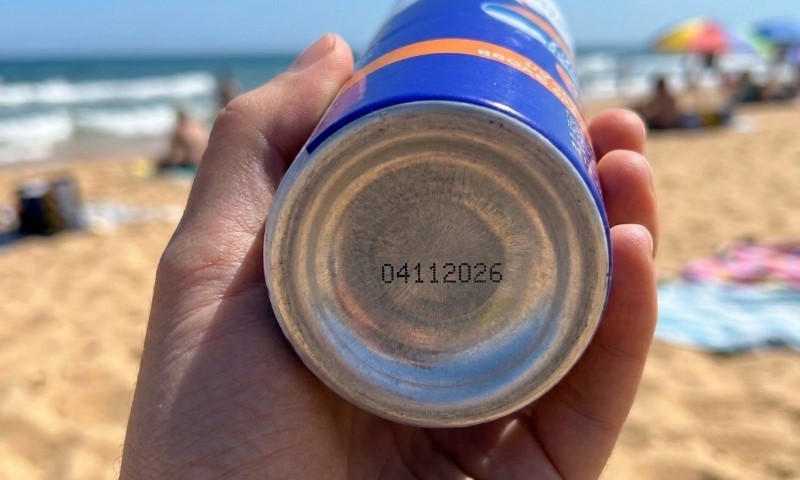
The FDA explains sunscreen expiration rules. Since sunscreen is regulated as an over-the-counter drug in the United States, manufacturers must provide evidence of product stability.
If your sunscreen has a printed expiration date, follow it. If the date is missing, use the three-year rule based on the purchase date. Replace any product whose age you cannot reliably determine.
People often ask, does sunscreen expire after it has been opened for one summer? Mayo Clinic confirms in its sunscreen shelf-life guidance that properly stored products may remain suitable for use the following season, provided they are still within their shelf life.
Manufacturers establish expiration dates through stability testing. The results reflect expected storage conditions, so prolonged exposure to excessive heat can affect product quality.
The Bottle You Forgot in Your Car
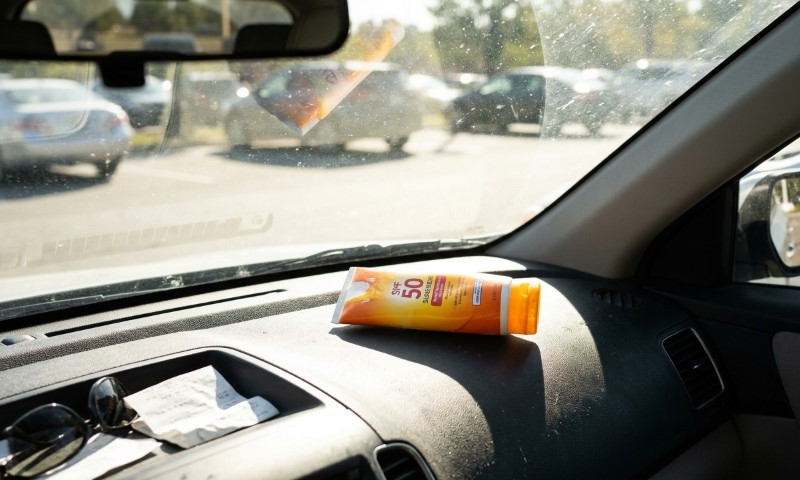
Consider a bottle of SPF 50 sunscreen purchased in early summer 2026. Its expiration date is sometime in 2028. During July, it spends several days inside a closed car parked in direct sunlight.
A related question is does sunscreen expire faster after exposure to excessive heat? High temperatures can compromise its stability even before the printed expiration date.
Heat can affect an emulsion, the mixture of water-based and oil-based ingredients that forms the foundation of many sunscreen formulas. In certain products, the phases may separate and ingredients may become unevenly distributed.
Sunscreen manufacturer Coppertone warns about excessive heat as a factor that can accelerate product deterioration.
In such a situation, we would recommend replacing the sunscreen, particularly if its texture has changed. Without laboratory testing, there is no reliable way to confirm that the labeled SPF protection remains intact after prolonged heat exposure.
Signs Your Sunscreen May Have Gone Bad
Certain changes in a sunscreen formula become noticeable during application. Texture, color, and smell are the most common indicators.
The American Academy of Dermatology discusses the importance of product age and condition in its advice on replacing sunscreen.
Watch for the following signs:
- Formula separation: Watery liquid comes out of the bottle before a thicker cream.
- Texture changes: The sunscreen becomes grainy, lumpy, or unusually runny.
- Changes in color or smell: The product darkens or develops an unpleasant odor.
Such changes may indicate that the formula has become unstable. Some products may also experience microbial contamination.
The question does sunscreen expire without visible warning signs is particularly important. A visual check may reveal certain problems, but it cannot reliably assess the effectiveness of UV filters or establish the sunscreen’s actual SPF.
For that reason, always follow the printed expiration date, even when there are no noticeable changes in texture or smell.
Where Should You Keep Sunscreen Between Beach Trips?
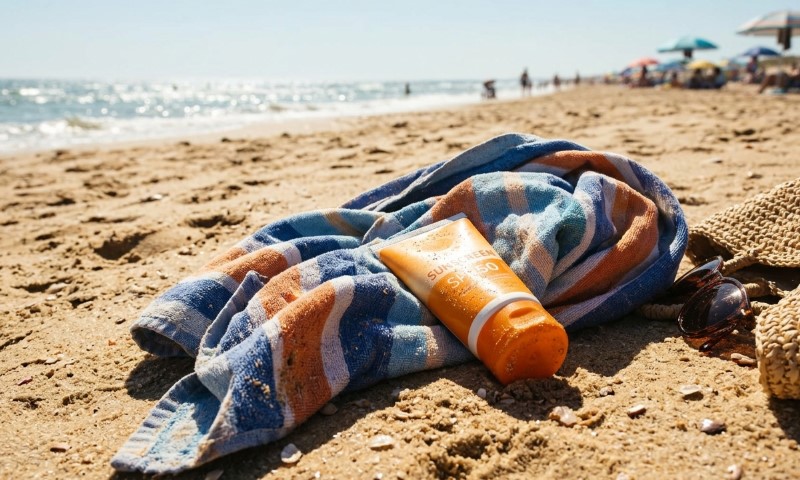
The best place to store sunscreen is a dry area with a moderate, consistent temperature, away from direct sunlight.
At the beach, keep the bottle in the shade or wrap it in a towel. The FDA recommends protecting sunscreen containers from excessive heat.
At home, close the cap securely after each use. Avoid placing sunscreen near radiators or other heat sources. Refrigeration generally isn’t necessary unless the manufacturer specifies particular storage conditions.
For sunscreen without a printed expiration date, write the month and year of purchase on the bottle. A simple note makes it easier to determine the product’s age the following summer.
If you’re wondering does sunscreen expire sooner because of poor storage, the important distinction is that excessive heat can affect product stability before the manufacturer’s stated expiration date.
How Quickly Should You Finish a Bottle?
Mayo Clinic notes that adults often need approximately one ounce, or 30 milliliters, of sunscreen for a single application to the exposed areas of the face and body. The amount varies according to body size and the area of skin requiring protection.
Based on that recommendation, a 120-milliliter bottle provides approximately four full-body applications.
During outdoor activities, sunscreen should be reapplied according to the manufacturer’s instructions, generally every two hours. Additional application is necessary after swimming or heavy sweating, according to the product’s labeled water resistance.
The calculation illustrates how quickly a bottle of full-body sunscreen can be used when applied correctly.
Daily consumption is lower for products intended exclusively for the face. Tracking the purchase date and expiration date is particularly useful for those formulas.
Our editorial recommendation is to choose a bottle size that matches how often you use sunscreen. A smaller container may be a better option for occasional use, especially if you regularly finish the summer with a substantial amount left over.
For anyone still asking does sunscreen expire before the bottle is empty, the expiration date remains the primary reference. Proper storage helps preserve the product’s labeled properties throughout its intended shelf life. When there is serious doubt about formula stability, we recommend replacing it with a new sunscreen that provides appropriate SPF protection.