The First New Sunscreen Filter Since the 1990s Is Finally on Sephora Shelves
American sunscreen formulas have relied on essentially the same FDA-permitted UV filters for more than 25 years. Meanwhile, manufacturers in Europe and Asia have used an ingredient that American brands could not include under the standard over-the-counter sunscreen rules. The difference has frustrated consumers familiar with international sunscreens.
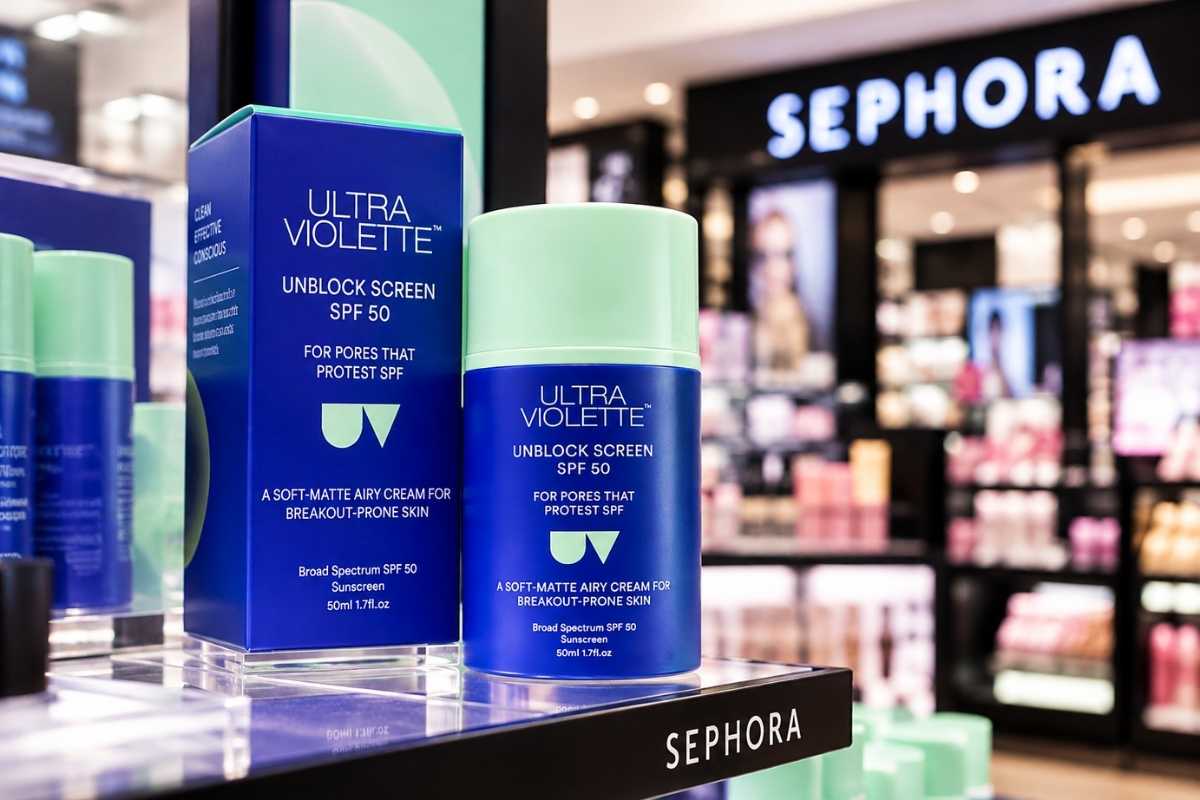
Bemotrizinol, also known as BEMT, is the first new sunscreen filter permitted by the FDA since the late 1990s. Australian brand Ultra Violette has introduced the first US sunscreen containing it, Unblock Screen SPF 50, priced at $40 for 50 mL. The product launched online on August 31, 2026, with nationwide Sephora store distribution beginning October 2.
The remarkable part is how familiar the ingredient already is outside America. Bemotrizinol has been used internationally for years, and the FDA’s June 2026 decision now permits concentrations up to 6% in qualifying American sunscreens.
Why Bemotrizinol Is Different
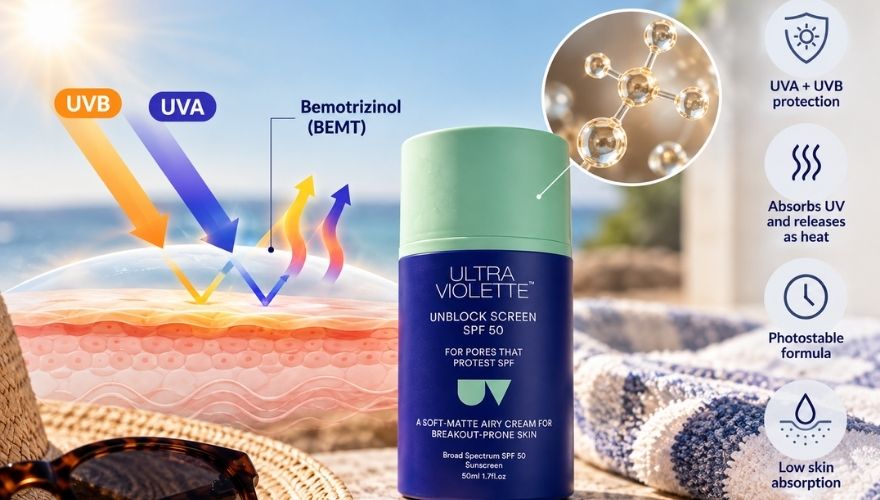
Bemotrizinol is an organic sunscreen filter that absorbs both UVA and UVB radiation. BASF markets it as Tinosorb S, a name already familiar to consumers who purchase European sunscreen.
UVB radiation is strongly associated with sunburn. UVA contributes to premature skin aging, and exposure to both types is relevant to skin cancer risk.
Bemotrizinol absorbs ultraviolet energy and releases it primarily as heat. Its molecular structure also provides good photostability, meaning the filter resists chemical degradation during exposure to sunlight.
That stability gives formulators another option when developing broad-spectrum products.
The FDA reviewed evidence of low absorption through the skin into the bloodstream. It determined that the ingredient is generally recognized as safe and effective for sunscreen use in adults and children aged six months or older under the permitted conditions.
Why Did American Approval Take So Long?
American sunscreen regulation differs from the systems used in many other countries. The FDA generally regulates sunscreen as an over-the-counter drug because preventing sunburn is a therapeutic claim. Manufacturers must therefore meet specific requirements for permitted active ingredients.
Bemotrizinol entered the American framework through a request submitted by DSM Nutritional Products under the administrative process established by the CARES Act.
The agency reviewed safety and effectiveness evidence before issuing its final decision. The FDA’s OTC sunscreen framework allows qualifying products to enter the market without individual drug applications when they meet the applicable monograph requirements.
Approval of an active ingredient establishes the permitted conditions for its use. The completed sunscreen must still satisfy the relevant product requirements.
The Sunscreen Now at Sephora
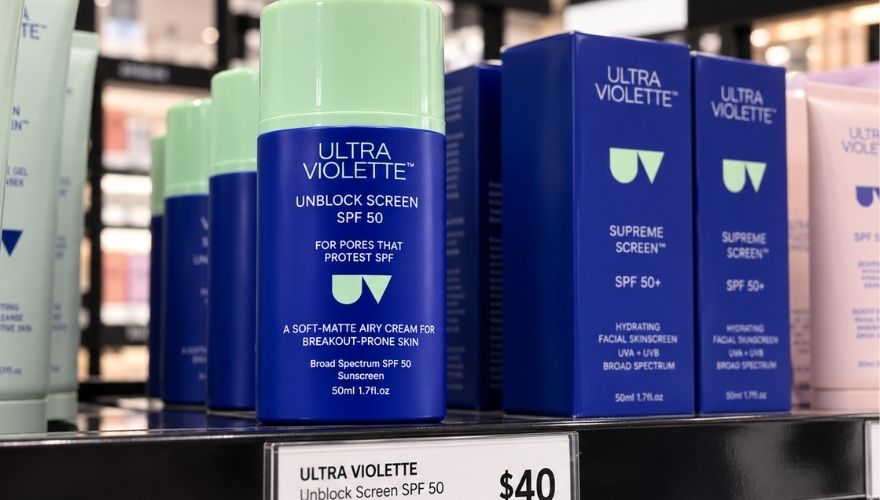
Ultra Violette’s Unblock Screen SPF 50 is designed for combination and oily skin. Sephora describes it as a fragrance-free, noncomedogenic cream with a soft-matte finish. The formula combines the new sunscreen filter with established active ingredients:
- Bemotrizinol, 3%: Absorbs UVA and UVB radiation.
- Octocrylene, 6%: Contributes organic UV protection.
- Zinc oxide, 10%: Provides mineral UV protection.
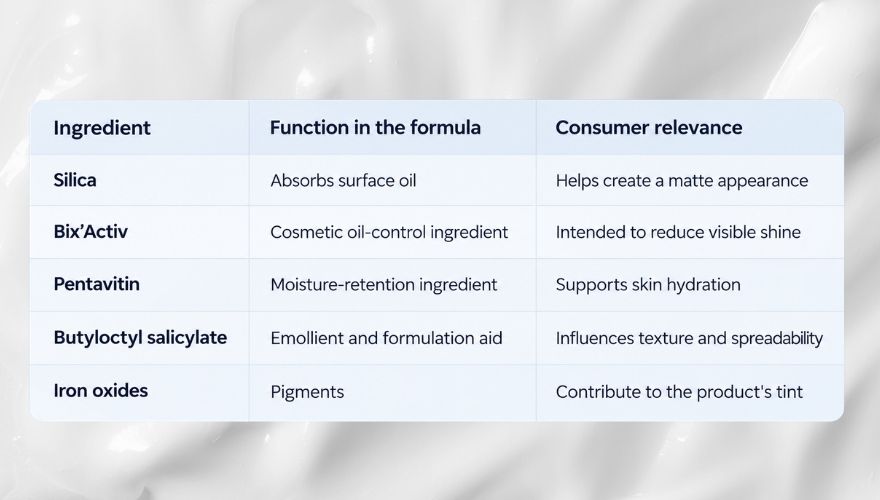
The combination creates a hybrid sunscreen. Ultra Violette also uses Bix’Activ to help control visible shine and Pentavitin for hydration.
The product comes in a 50 mL airless dispenser. Its tinted formula is intended to reduce visible white residue associated with certain mineral sunscreens
Sephora’s listed price works out to $0.80 per milliliter. Its 5% Auto-Replenish discount reduces the price to $38, equivalent to $0.76 per milliliter, before tax.
Those figures matter for a product that must be applied generously and regularly.
What the Product’s Clinical Claims Actually Show
Sephora describes a dermatologist-supervised evaluation involving 21 participants who used Unblock Screen daily for 28 days.
The retailer reports that 95% experienced fewer non-inflammatory blemishes. Another 90% agreed their skin looked less oily after application.
The results concern the finished product. They cannot establish that bemotrizinol alone produced the reported cosmetic improvements.
A small evaluation also has limited power to establish how consistently those results might occur across a much larger population.
I find the distinction particularly useful because the new filter is the headline ingredient, yet several other components are included specifically to influence the product’s appearance on skin.
A Detail Hidden in the Ingredient Percentages
Unblock Screen contains 3% bemotrizinol, exactly half the maximum concentration permitted under the new FDA rules.
Does that mean a sunscreen containing 6% would provide twice the protection?
No. SPF depends on the complete formulation and standardized performance tests. The concentration of an individual filter cannot determine the finished product’s SPF by itself.
Several additional details in the ingredient declaration help explain the formula.
What the full ingredient list reveals:
An Earlier Ultra Violette Recall Deserves Context
Ultra Violette previously faced scrutiny in Australia over a different sunscreen.
In 2025, independent testing identified inconsistent SPF performance in Lean Screen SPF 50+. Australia’s Therapeutic Goods Administration reported test results ranging from SPF 4 to 64.32. The company recalled every batch of Lean Screen.
The regulator warned that reduced protection could increase sunburn risk. The affected product was separate from Unblock Screen, and those findings provide no measurement of the new American formula.
Still, the episode illustrates why testing a completed sunscreen matters. Reliable active ingredients must perform within a stable formulation.
A familiar filter name cannot substitute for evidence about the product consumers actually purchase.
What the New Sunscreen Filter Means for US Buyers
The arrival of bemotrizinol expands the ingredients available to American sunscreen manufacturers.
Its broad-spectrum absorption and photostability make it useful for developing new formulas. BASF, which manufactures Tinosorb S, welcomed the US authorization as an expansion of American formulation options.
Ultra Violette has already announced another product containing the ingredient. Fave Screen SPF 50 is scheduled for January 2027, with 5% bemotrizinol and a lighter, milk-like texture. The brand describes the future formula as suitable beneath makeup.
Unblock Screen remains the relevant Sephora product for consumers interested in the first American launch.
For a closer look at the product, you can also watch Dana Ripperton’s YouTube video, where she shares product reviews.
The new ingredient also adds another option for people dissatisfied with the texture of existing sunscreens. Individual preferences will still depend on the complete formulation.
SPF 50 Still Depends on Application
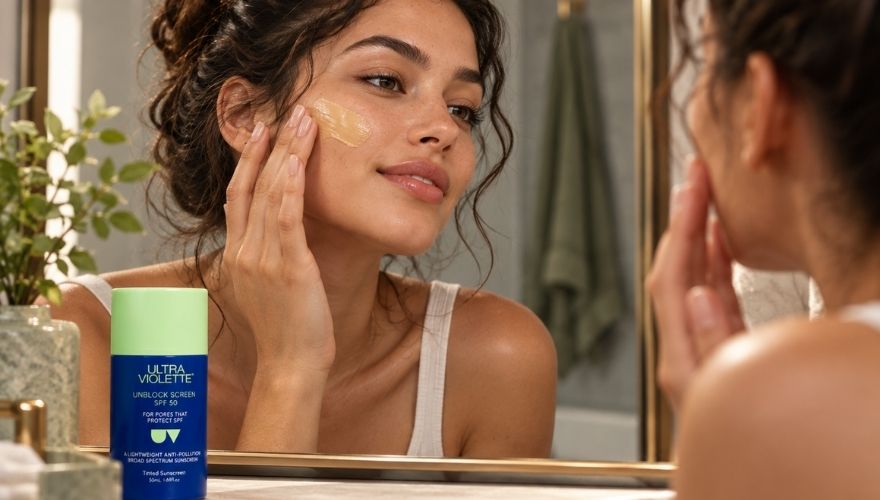
A sophisticated sunscreen filter cannot compensate for insufficient product. Standard SPF testing uses an application density of 2 milligrams per square centimeter of skin. Someone who applies a substantially thinner layer may receive less protection than the labeled SPF suggests.
The FDA recommends generous application and reapplication at least every two hours during continued sun exposure.
For Unblock Screen, Sephora advises application 15 minutes before sun exposure. A separate point deserves attention during outdoor activities: water resistance.
Under American sunscreen rules, qualifying water-resistance claims specify either 40 or 80 minutes. SPF 50 alone cannot establish that a product will maintain its protection during swimming.
Check the label if you expect prolonged exposure to water or substantial sweating.
Is the New Filter Worth a Purchase?
Unblock Screen offers an established international sunscreen ingredient in a formula developed for consumers concerned about oily skin.
Its advertised matte finish may appeal to people who dislike heavier creams. The price deserves consideration for anyone who uses substantial quantities of sunscreen every day.
A 50 mL container may suit facial application. Regular full-body use could make the cost considerably higher than that of larger drugstore alternatives.
There is also the question of skin sensitivity. Bemotrizinol’s favorable regulatory assessment concerns the ingredient under permitted conditions. Individual reactions can depend on other components of the finished product.
For consumers with known allergies, reviewing the full ingredient declaration remains sensible.
An established broad-spectrum sunscreen that suits your skin and is applied consistently can continue to provide suitable protection.
In the End
The most interesting detail about bemotrizinol’s American arrival is the gap between international use and US regulatory permission. A filter familiar to overseas consumers has finally entered American sunscreen formulas.
At Sephora, Unblock Screen puts that development into a specific product with a $40 price tag and a formula aimed at oily skin.
Before buying, examine the finished formula and consider how much sunscreen you actually use. The new filter expands your options, and the right purchase still depends on the product’s tested protection and how comfortably it fits your daily routine.